One Piece, Maximum Impact: How to Edit Your Accessories Down to What Actually Works
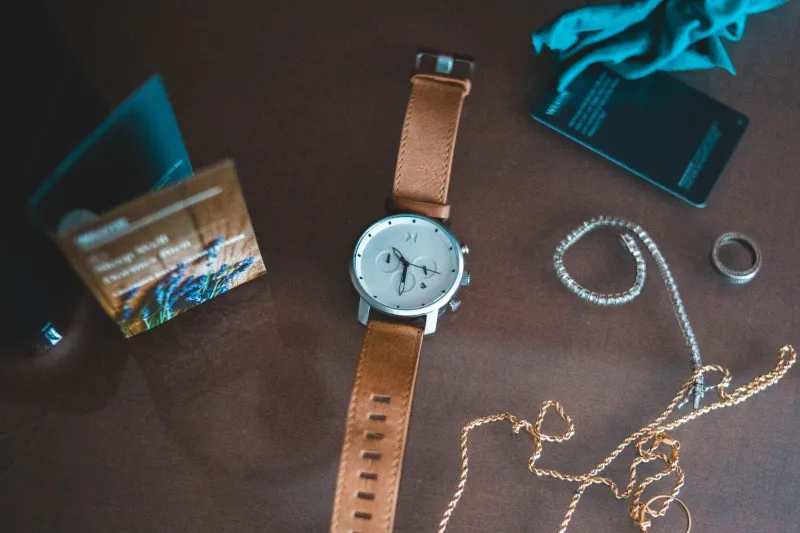
Open your jewelry box. Or your belt rack. Or that one drawer — you know the one — where accessories go to live forever without ever actually getting worn. If what you're looking at feels more like a lost-and-found than a curated collection, you're not alone.
Most of us accumulate accessories the same way we accumulate everything else: impulsively, hopefully, and usually on sale. The result is a pile of maybes that makes getting dressed feel harder than it should. The fix isn't buying better stuff. It's owning less of it — intentionally.
The Psychology Behind Why We Over-Accessorize
There's a real reason accessories pile up faster than clothes. They're lower stakes, emotionally speaking. A necklace doesn't need to fit in the same way a pair of jeans does. A belt doesn't require trying on. So we buy them freely, reasoning that we'll figure out how to use them later.
But psychologists who study decision-making have a term for what happens next: choice overload. When you're standing in front of forty accessories every morning, your brain doesn't feel empowered — it feels overwhelmed. And overwhelmed brains default to the same three pieces every single time, which means the other thirty-seven are just clutter with a price tag.
The fix? Ruthless curation. Not minimalism for its own sake, but intentional reduction that leaves you with pieces you actually reach for.
What Makes an Accessory High-Impact?
Before you start pulling things out of that drawer, it helps to know what you're keeping versus what you're cutting. High-impact accessories share a few common traits:
They work across multiple outfits. A great leather belt shouldn't only go with one pair of pants. A watch that only matches your dress clothes isn't a workhorse — it's a costume piece. The best accessories move fluidly between contexts: casual, professional, going out, staying in.
They hold up over time. Quality isn't always about price point, but it is about longevity. A well-made piece of jewelry that you bought five years ago and still wear regularly is worth ten trendy pieces that oxidized after six months.
They make you feel something. This one's harder to quantify, but it's real. There are accessories you wear and forget about, and there are accessories you put on and immediately stand a little taller. The ones that do the latter? Those are your keepers.
The Audit: A Category-by-Category Breakdown
Belts
If you own more than three or four belts, you probably only wear two of them. Keep one polished leather belt in a neutral (black or brown, depending on your wardrobe's undertones), one casual option for everyday denim situations, and at most one statement belt if that genuinely fits your style. Everything else? Let it go.
Bags
Bags are where over-accumulation gets expensive. The goal here isn't to have a bag for every occasion — it's to have a few bags that handle most occasions well. A structured tote that goes from work to weekend, a crossbody for when you want your hands free, and one elevated option for nights out covers the vast majority of real-life situations. Anything beyond that should justify its space.
Jewelry
This is usually the most cluttered category because jewelry feels low-commitment to buy. Go through what you have and ask yourself: when did I last wear this? If the answer is "I honestly don't remember," it's probably not serving you. Build toward a core collection — a pair of everyday earrings, a necklace or two that layer well, a ring or bracelet you wear habitually — and let the rest move on.
Watches
A watch is one of the few accessories that can genuinely elevate an entire outfit with zero effort. If you wear one, make sure it's one you love. If you have five watches and only reach for one, that tells you everything you need to know.
The One-In, One-Out Rule
Once you've edited down to what actually works, the maintenance strategy is simple: don't add something new without removing something old. This isn't about being precious with your collection — it's about keeping the signal-to-noise ratio high. Every piece you bring in should be a genuine upgrade or a gap-filler, not just something that caught your eye on a slow Tuesday.
How Fewer Accessories Actually Build More Confidence
Here's the part that surprises most people: editing down doesn't feel like losing something. It feels like clarity.
When you know exactly what you're working with — and you know it all works — getting dressed stops being a negotiation. You're not standing there wondering if the earrings are too much or if the belt matches. You already know the answer, because everything in your collection was chosen deliberately.
That's the confidence that comes from a real accessories audit. Not the confidence of having options, but the confidence of knowing your options are good. One great piece, worn with intention, does more for your presence than a drawer full of maybes ever will.
Start with the drawer. Pull everything out. And keep only what makes you feel like the version of yourself you're trying to show up as. The rest is just clutter — and you don't need it anymore.